Photoluminescence in nature reserves: lighting without disturbing
04/02/2026
All LuminoKrom® news
Table of contents
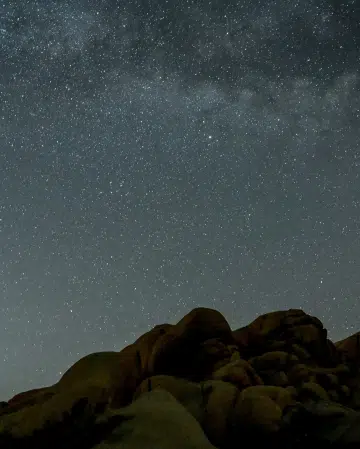
 

Preserving night-time in nature reserves : an ecological and human challenge

Artificial lighting gradually became widespread in our societies from the beginning of the 20th century, initially to extend human activities after sunset, then as a tool for regional development and modernisation. This continuous expansion of night-time lighting has profoundly transformed our relationship with night-time.

Where night used to be natural and set the rhythm for living beings, it has become artificial and fragmented.

In protected natural areas such as nature reserves, the impact of this transformation is growing. It is now recognised as a major environmental pressure, on a par with chemical pollution and habitat fragmentation.

In light of this situation, preserving the night has become a landscape and ecological issue.

Night-time: an ecosystem to protect

Preserving the night in the face of the spread of artificial light

This change is not without consequences: artificial light alters the quality of the starry sky, modifies biological cycles and disrupts ecological interactions for both animals and plants. Even without lighting installed directly locally, these areas suffer from the effects of light pollution generated several kilometres away, reducing the night-time darkness that is essential for ecosystems to function.

Lighting natural spaces : a sensitive issue

Natural darkness plays a fundamental role in the functioning of ecosystems. In nocturnal animals, it regulates hunting, reproduction and migration cycles.

For example, some species of bats avoid overly lit areas, which can reduce access to their hunting grounds and disrupt the balance of insect populations. In migratory birds, artificial lights can cause massive disorientation, increasing the risk of collision with structures or extreme fatigue during migration.

Lighting in protected natural areas therefore raises complex issues, balancing human needs and ecological imperatives.

Lighting these areas does not necessarily mean producing active artificial light. Rather, it is a question of finding a balance between the visibility of authorised uses and the preservation of nocturnal ecological continuity.

For further information

Discover our article on light pollution.
What causes light pollution? How can it be reduced?

Towards a new approach to night-time management in nature reserves

Balancing the protection of life with human presence

Nature reserves sometimes host night-time activities that require visibility or landmarks, but these uses must not compromise the ecological quality of the sites. This requires a development strategy that minimises the impact of lighting and favours appropriate measures.

Reducing unnecessary light sources, directing light flows towards the ground, limiting lighting intensities and durations, and adopting alternative solutions are all part of a logic of restraint that respects ecosystems while ensuring the necessary safety conditions.

In this context, rethinking the night-time lighting of nature reserves appears to be a necessity.

It is no longer a question of providing more light, but of lighting differently, fully integrating the night as an ecosystem in its own right, to be protected and enhanced.

Photoluminescence as a transition tool

As we know, artificial light at night is now one of the main sources of disruption to ecosystems. In light of these findings, it is essential to thoroughly rethink the functions traditionally assigned to night-time lighting.

The emergence of credible alternatives to conventional lighting is therefore a strategic lever for supporting public policies on energy efficiency and biodiversity conservation.

By limiting the use of artificial light while maintaining essential uses, these solutions make it possible to reconcile human needs with respect for ecological dynamics.

LuminoKrom®: gentle implementation that reveals uses without making the night seem artificial

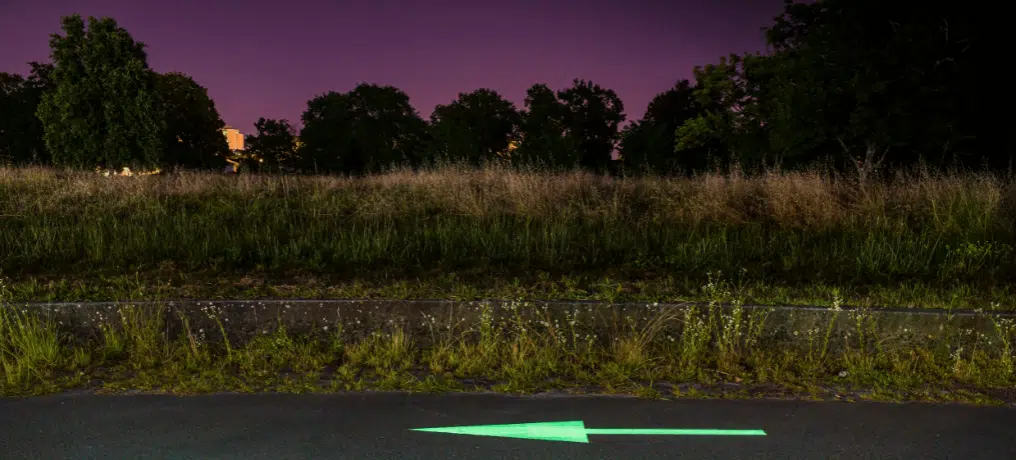
With this in mind, the photoluminescent solutions developed by Luminokrom® illustrate an alternative approach to lighting. They are designed to capture ambient light during the day and gradually release it at night, providing soft visibility for traffic and orientation elements. This approach makes night-time use safer without the need for active light sources.

It fits perfectly into sensitive sites, where the absence of massive lighting infrastructure limits the risk of fragmentation of nocturnal habitats and preserves ecological corridors.

Based on gentle, non-intrusive implementation, it reveals uses without resorting to artificialisation of the night, while also meeting the needs for visibility and orientation while respecting natural rhythms.

Reveal without disturbing

Artificial light at night, while accompanying the development of modern societies, now constitutes a major ecological pressure affecting species, landscapes and even human cultures. It is therefore essential to rethink how we manage night-time activities in order to preserve the darkness on which biodiversity in nature reserves depends.

Faced with this challenge, photoluminescence appears to be a concrete, appropriate and innovative solution, but above all, a non-intrusive one. It allows certain night-time activities to be carried out without producing active artificial light, thus offering a sober alternative that respects natural darkness.

It is part of an eco-responsible approach to preserving nocturnal ecological continuity and paves the way for a more sensitive and sustainable approach to night-time in protected areas.